The Philosophy of Gathering
The rise of the eco-florist represents a shift from consumerism to stewardship. Foraging, when done correctly, is a philosophical act of connection with the British countryside. It requires a slow pace and a keen eye for the delicate balance of nature.
Rule 1: Seek Permission and Know the Law
- Private Land: Always seek explicit permission from landowners before entering or picking.
- The Wildlife and Countryside Act: It is illegal to uproot any wild plant without the landowner's permission.
- Protected Species: Familiarize yourself with Schedule 8 plants which are strictly protected.
Rule 2: The 1-in-20 Rule
To ensure the survival of local flora, we follow the 1-in-20 rule. Never take more than 5% of a healthy population. If you see only a few specimens of a plant, admire them, photograph them, but leave them to seed.
Seasonal Foraging Treasures
Wild Garlic & Hawthorn
Look for the white star-shaped flowers of Ramsons in damp woodlands. Use sparingly for an architectural touch.
Cow Parsley & Meadowsweet
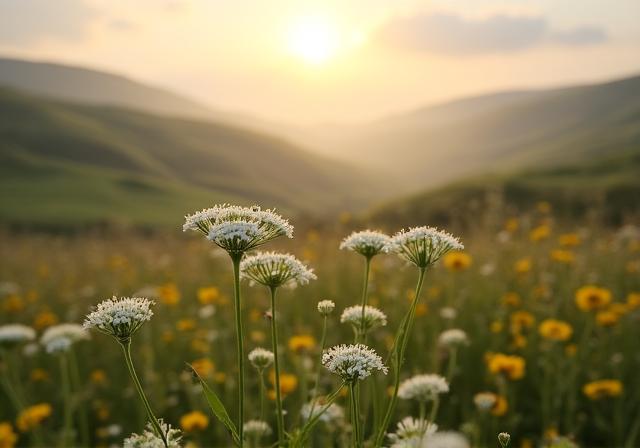
The frothy white umbrellas of Cow Parsley define the British lanes in June. Essential for romantic, airy arrangements.
Rosehips & Spindle
Focus on berries and skeletal seed heads. Spindle berries provide a shocking pop of neon pink and orange.
Lichen Branches & Evergreen
Scavenge for fallen, moss-covered branches after storms. They add texture and age to winter installations.
Empowering Ethical Sourcing
Sustainable foraging is not about taking; it is about observing. By following these guidelines, you contribute to a floristry culture that honors the Earth as much as the arrangement.
Join our Foraging Workshop